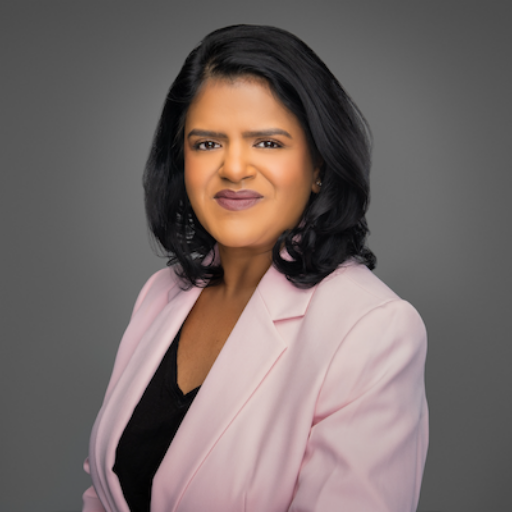

Leadership in the legal world is no longer about having all the answers. These days, it’s about knowing how to keep asking the right questions—especially when the pace of change is exponential. For me, that’s been especially true at the intersection of AI and law.
Artificial intelligence isn’t just a future issue; it’s a right-now issue. I see it emerging in client meetings, boardrooms, and even casual conversations among founders. Questions are evolving quickly: Who owns AI-generated content? How do we protect innovation when machine learning tools iterate faster than any patent process can track? Can we strike a balance between regulation and creative freedom?
These aren’t just academic exercises—they’re shaping real business decisions, and fast. I work with clients who are building data-driven products in sectors such as clean tech, healthcare, and enterprise SaaS. They’re using AI to solve meaningful problems. But they also face ethical, regulatory, and IP questions that didn’t exist five years ago. Sometimes, not even five months ago.
Showing Up Matters
That’s why I stay active in this space. I read, I attend panels, I listen. I mentor through TiE and keep close ties to the startup ecosystems in both the U.S. and India. And this week, I’m attending Gen AI Summit 2025—a global gathering of innovators, legal experts, technologists, and founders pushing the boundaries of what’s possible with generative AI.
Topics at the Summit range from regulatory frameworks and IP strategy to AI governance, copyright challenges, and the ethics of model training. These conversations offer a front-row view into where the world is headed—and a powerful reminder that the law must evolve in tandem with technology, not trail behind it.
Over the last year, I’ve joined discussions on responsible training data, the rights of AI-generated works, and how innovation can (and should) be protected without stifling creativity. I’ve spoken with founders navigating how to position their models to investors, and with investors trying to make sense of risk in a landscape that’s still being mapped.
In Practice
So what does staying ahead of the curve look like in practice? For me, it means bringing a mix of legal rigor and creative thinking to every client conversation. It means understanding how contracts must adapt when algorithms are writing code or generating intellectual property. It means pushing for policies that encourage responsible development—and standing with clients as they navigate uncharted territory.
And sometimes, it just means listening with curiosity to a founder who’s three steps ahead of the law and asking, “What do you need to build this the right way?”
The Commitment
If there’s one thing I’ve learned, it’s that staying ahead doesn’t mean predicting every twist and turn. It means committing to the climb.
I don’t show up to these conversations because I have it all figured out. I show up because I care deeply about helping innovators protect what they build—and about ensuring the legal system remains responsive and responsible in a fast-moving world.
I know many attorneys are still wary of AI—and I get it. It’s complicated. But complexity isn’t a reason to sit out. It’s a reason to lean in.
I’m committed to staying at the forefront of this evolving landscape—not just for myself, but for the innovators, founders, and teams I support.
If you’re building with AI, thinking through IP protections, or just need a sounding board on how the legal side of this revolution applies to your business—I’d love to connect.